



Introduction
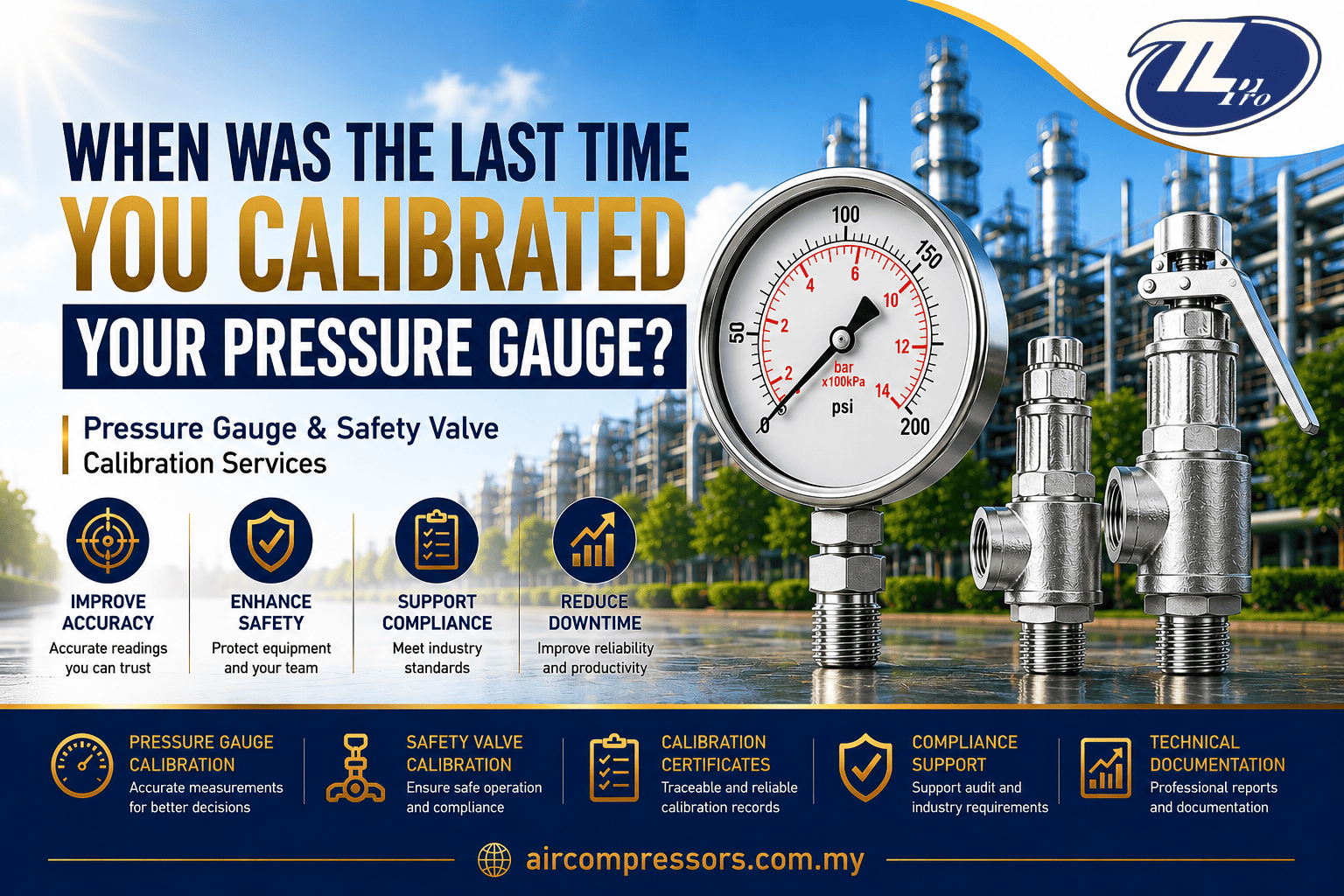
Pressure gauges and safety valves play an important role in many industrial systems. They help monitor pressure and protect equipment from unsafe operating conditions.
However, many companies are unsure how often these devices should be calibrated. Missing calibration schedules may affect equipment performance, safety, and compliance requirements.
In this article, we explain why calibration is important and when pressure gauges and safety valves should be checked.
Why Is Calibration Important?
Over time, instruments can become less accurate due to:
- Daily operation
- Vibration
- Temperature changes
- Wear and tear
- Harsh working environments
When readings are not accurate, operators may make the wrong decisions. This can lead to:
- Reduced efficiency
- Equipment damage
- Unexpected downtime
- Safety risks
Regular calibration helps ensure that measurements remain accurate and reliable.
How Often Should Pressure Gauges Be Calibrated?
There is no single schedule that fits every application. The calibration interval depends on:
- Operating conditions
- Criticality of the equipment
- Industry requirements
- Manufacturer recommendations
As a general guideline, many industrial facilities check pressure gauges at least once every year.
More frequent calibration may be required if:
- The gauge operates in harsh conditions
- The gauge is exposed to vibration
- The gauge experiences pressure spikes
- The gauge is used for critical processes
How Often Should Safety Valves Be Calibrated?
Safety valves are designed to protect equipment from excessive pressure.
Regular testing and calibration help verify that the valve opens at the correct set pressure.
A safety valve should be inspected according to the plant maintenance program and applicable requirements.
Many facilities schedule safety valve testing during annual shutdowns or preventive maintenance activities.
5 Signs Your Equipment May Need Calibration
1. Inconsistent Readings
If readings change without a clear reason, calibration may be required.
2. Visible Damage
A damaged gauge or valve should be inspected immediately.
3. Frequent Pressure Fluctuations
Unexpected pressure changes may indicate inaccurate readings.
4. Calibration Certificate Has Expired
Expired certificates should be renewed to maintain proper records.
5. Equipment Has Been Repaired
Calibration is recommended after repair, replacement, or major maintenance work.
Benefits of Regular Calibration
Regular calibration can help:
✔ Improve measurement accuracy
✔ Support workplace safety
✔ Reduce unexpected downtime
✔ Improve equipment reliability
✔ Support audit and compliance requirements
✔ Extend equipment service life
Calibration Certificates Matter
After calibration, a certificate is normally issued.
This document provides evidence that the equipment has been checked and verified against a reference standard.
Calibration records are often requested during:
- Internal audits
- Customer audits
- Quality inspections
- Compliance reviews
Keeping certificates up to date helps improve traceability and documentation control.
Conclusion
Pressure gauges and safety valves are critical components in many industrial systems. Regular calibration helps ensure accurate readings, reliable performance, and safer operation.
If your calibration certificate is due for renewal or your equipment has not been checked recently, it may be time to schedule a calibration service.
TL Pro provides professional Calibration & Compliance Services, including:
- Pressure Gauge Calibration
- Safety Valve Calibration
- Calibration Certificates
- Compliance Support
- Technical Documentation
Proper calibration today can help prevent costly problems tomorrow.